SX Coal
Tayang pada
3rd China Coal Import Intl Summit 2026 held successfully in Guangzhou
The 3rd China Coal Import International Summit 2026, hosted by Fenwei Digital Information Technology Co., Ltd., was successfully held in Guangzhou, China, during March 18-19.
The conference brought together numerous leading experts and industry leaders from both China and abroad. Speakers from Mongolia, Indonesia, Russia, Australia, India, and other countries shared insightful perspectives from a global standpoint, fostering in-depth dialogues between coal importers and exporters.
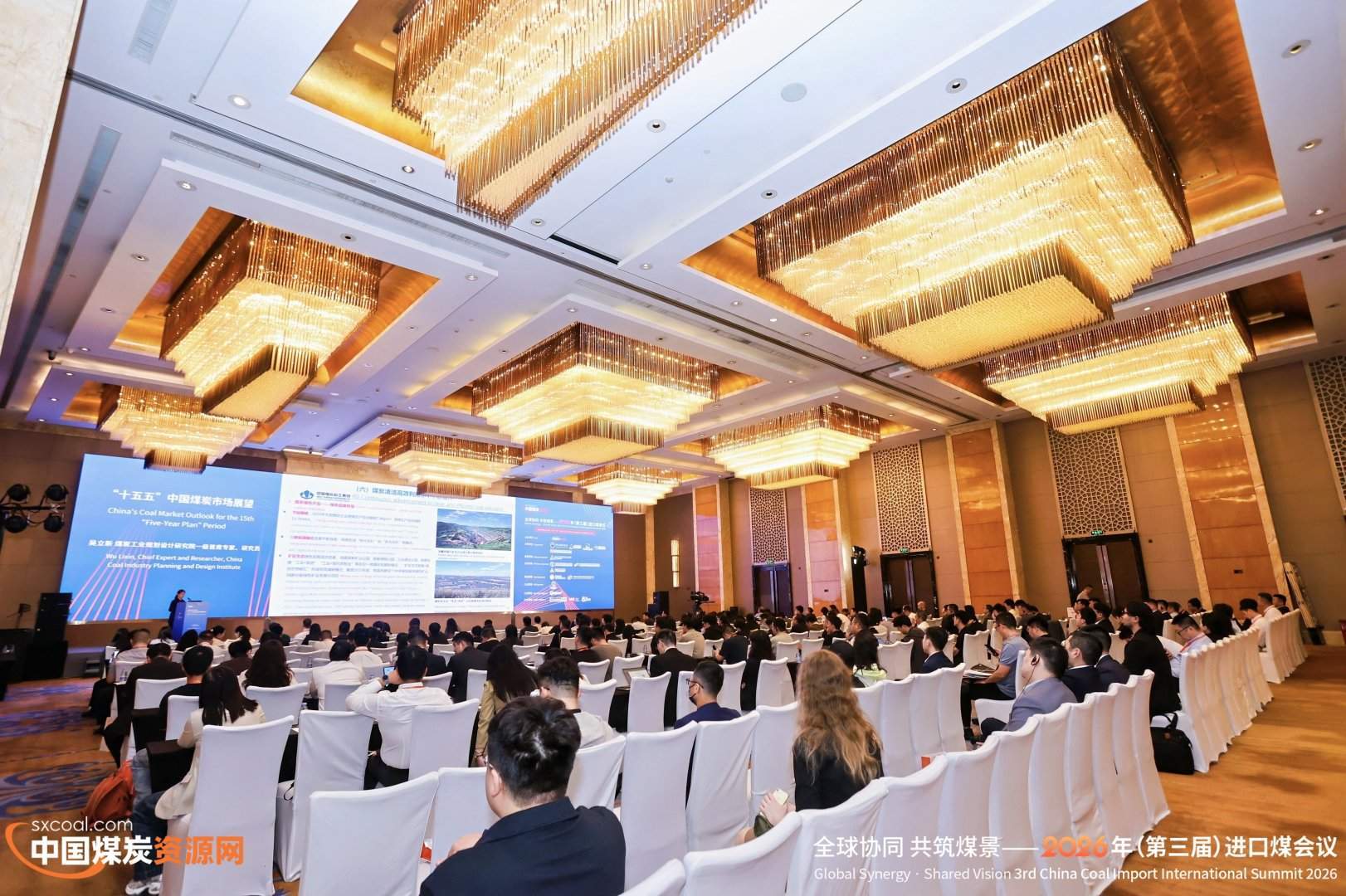
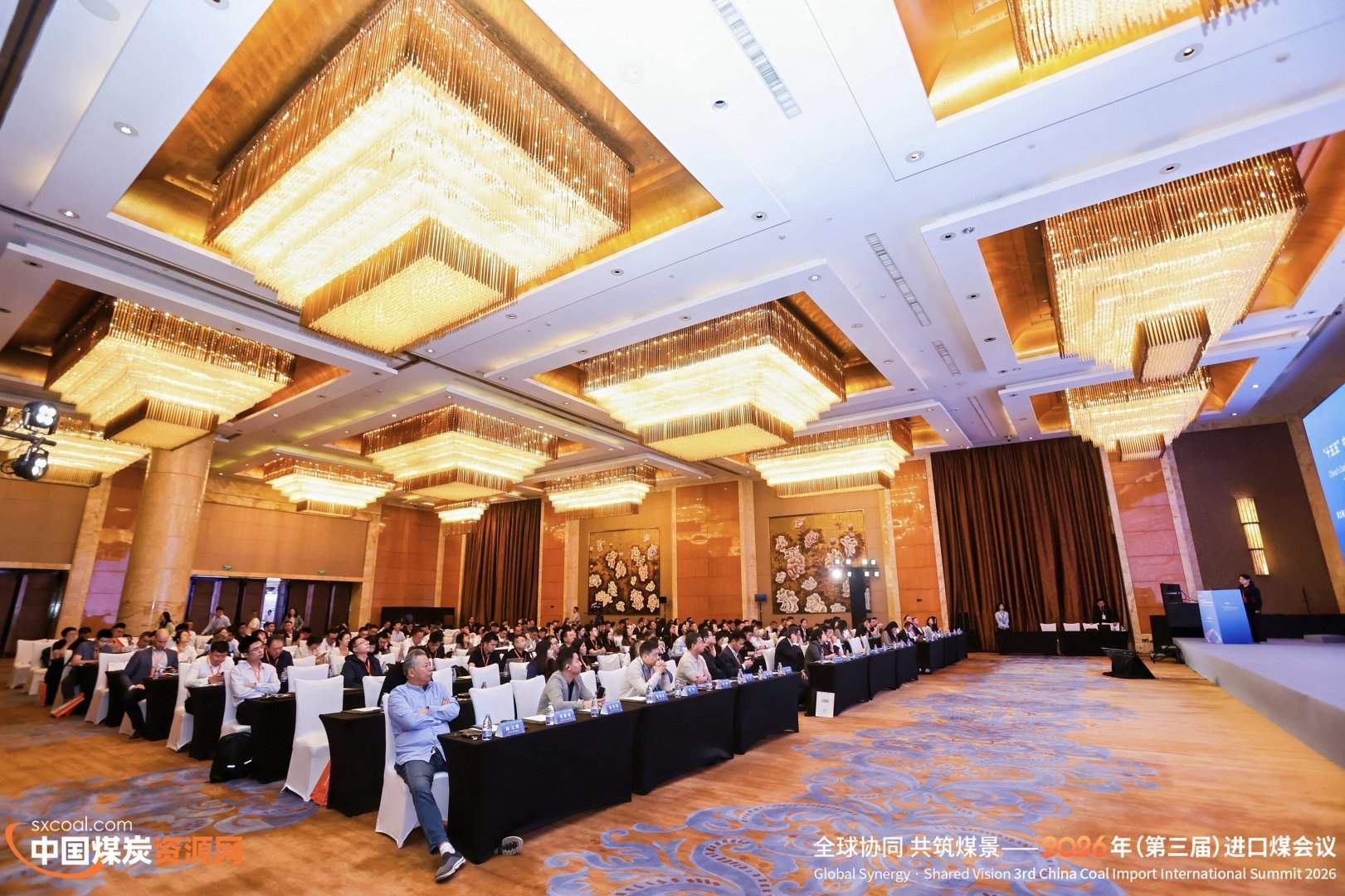
Liu Jing, General Manager at Fenwei Digital Information Technology Co., Ltd., extended welcome to all guests attended. She pointed out that the coal market is undergoing profound transformation amid global energy transition. As such, she hoped the summit will serve as an open, pragmatic and efficient platform, gathering diverse insights in ensuring both energy security and driving high-quality development in the industry.

Then, Shi Ying, Vice Chairman of China Coal Transportation and Distribution Association, delivered an opening speech for this gathering. The recently concluded "Two Sessions" called for clean and efficient use of fossil fuels, offering new requirements and opportunities for transformation for the coal industry, Shi noted.
Moving forward, the sector must accelerate the transition toward a green and low-carbon future, while safeguarding national energy security, she added.
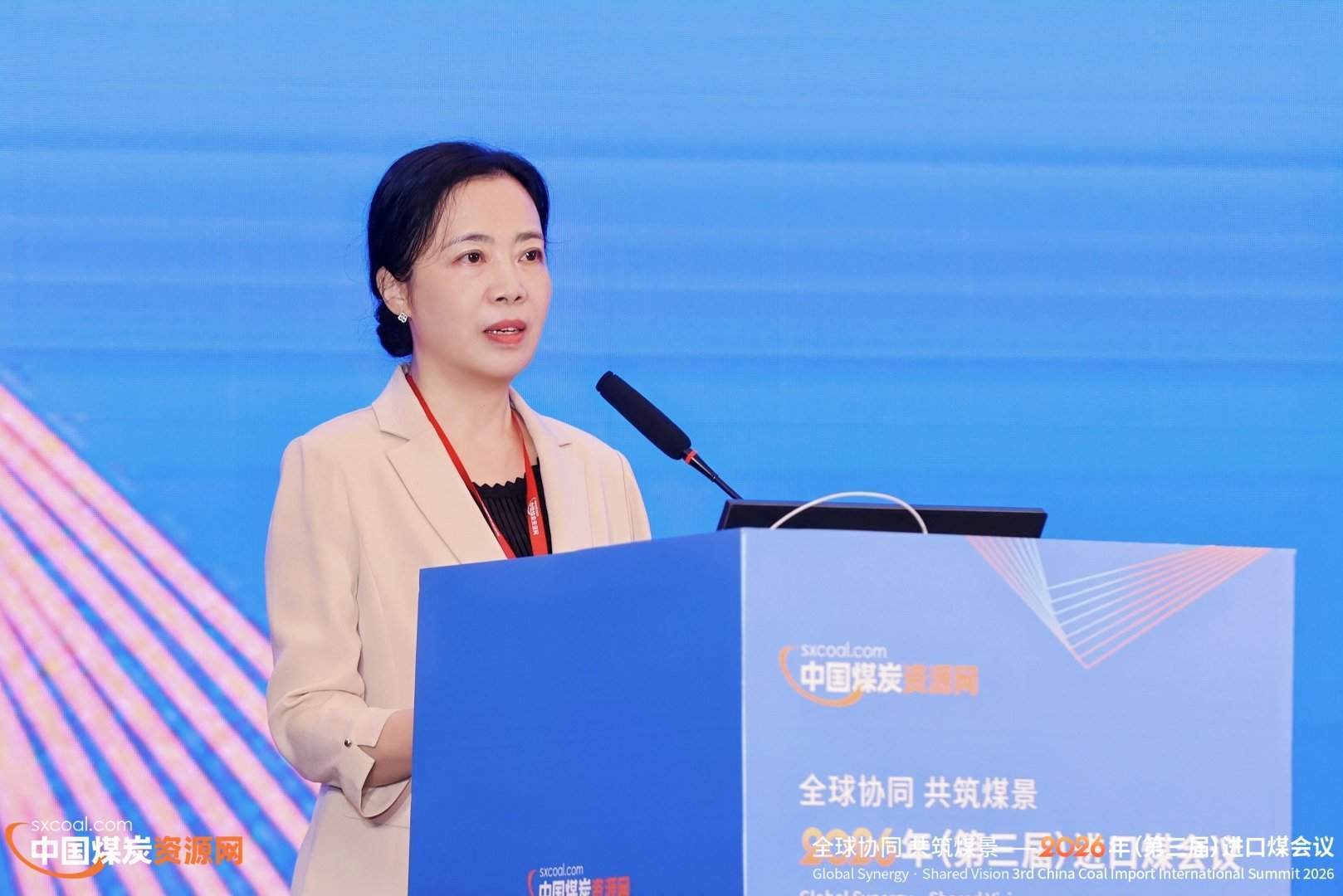
Wu Lixin, chief expert and researcher at the China Coal Industry Planning and Design Institute, stated that China's coal industry is expected to face multiple challenges from both domestic and international sources during the 15th "Five Year Plan" period. She also elaborated on several critical issues China must address during the period.
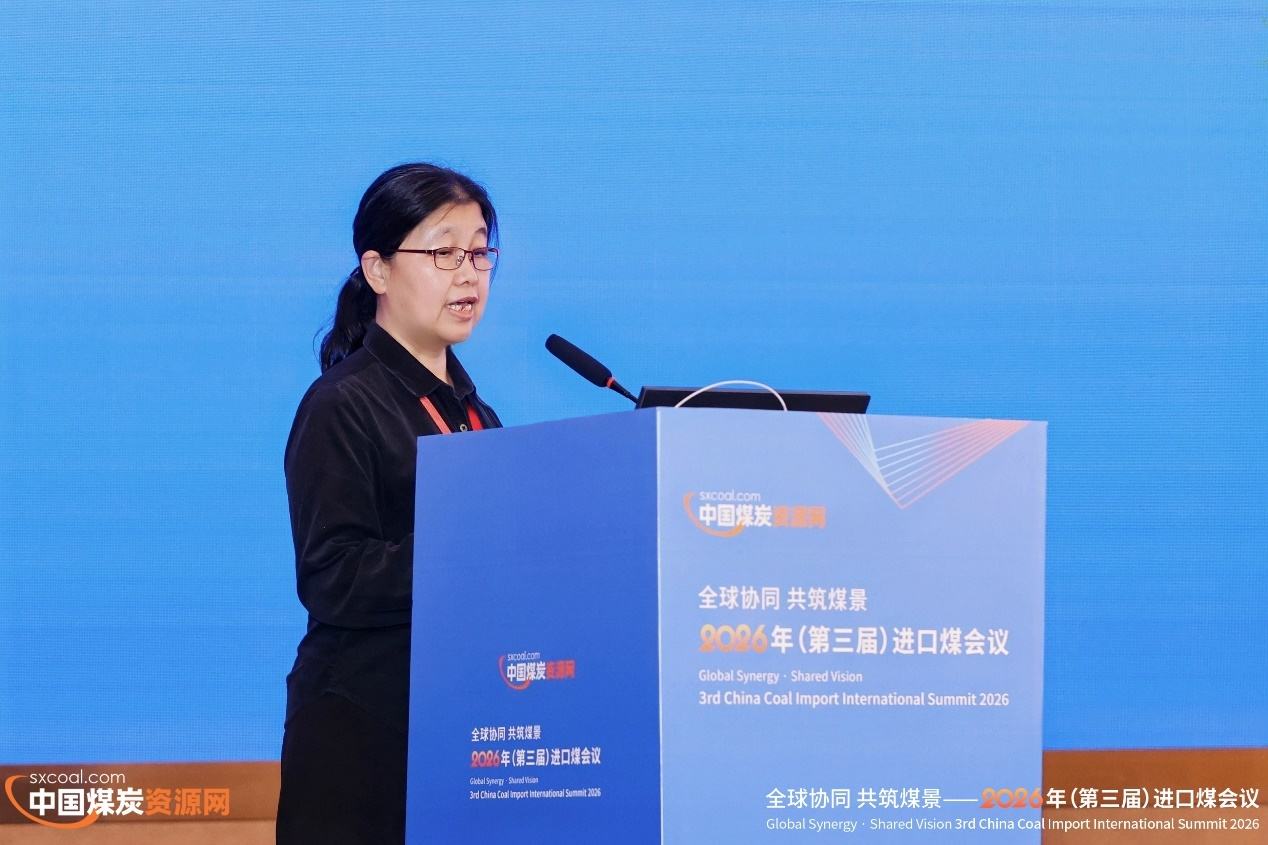
Dr. Bymbabadagya Bayaraa, president of the Mongolian Coal Association, noted that the Mongolian coal sector holds immense potential, with total production exceeding 100 million tonnes in 2025. However, unfavorable international market conditions and falling prices have limited the economic benefits of such high production levels.
Therefore, he stressed the necessity to implement a series of policies to enhance the industry's overall competitiveness and economic returns in the long term.
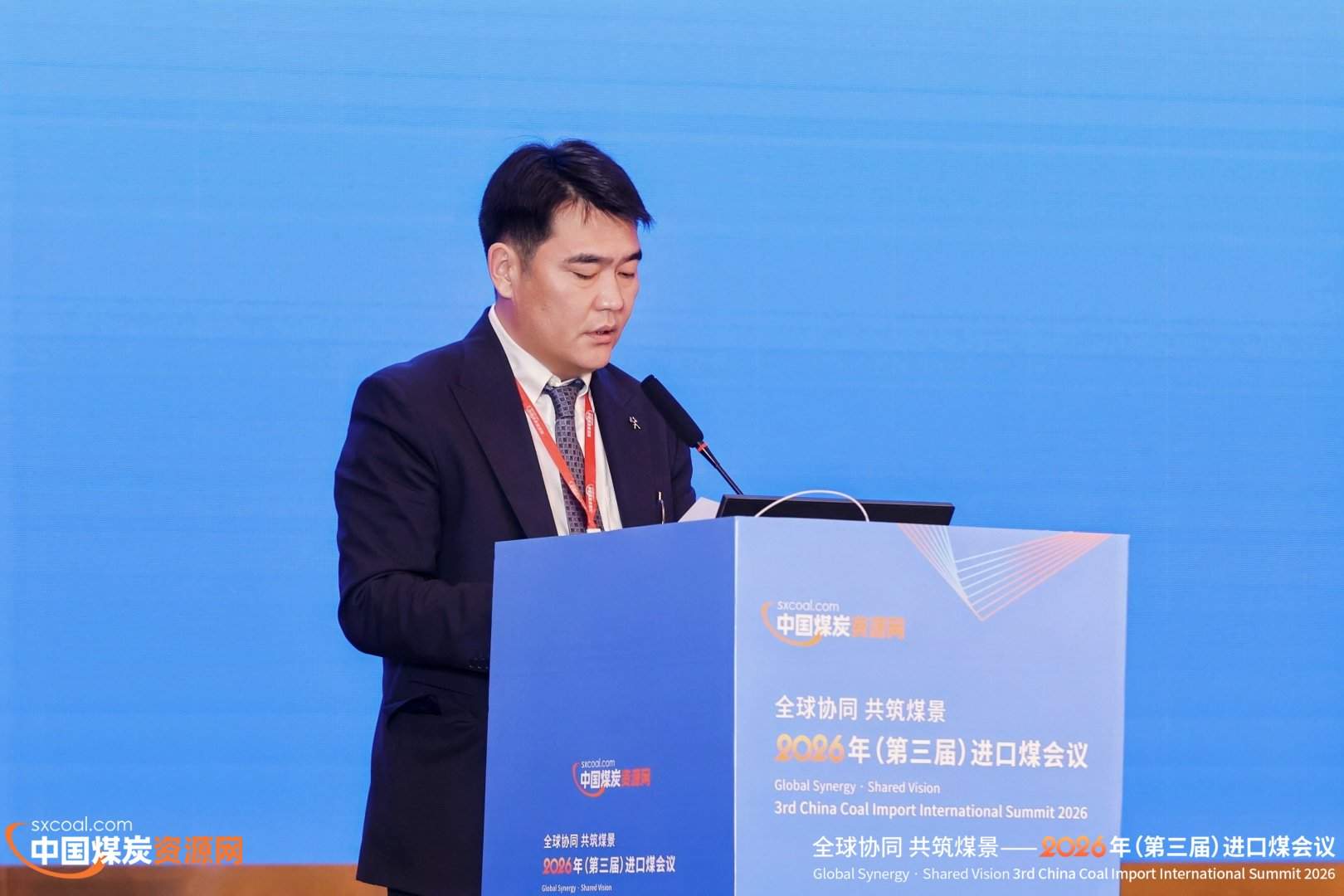
Following that, Fenwei's thermal coal analyst Niu Hui highlighted imported coal's supplementary and regulatory role in China's 2025 coal market. She also noted that the global coal prices are highly likely to rise in the long run amid international instability and numerous disruptive factors, and will hinge heavily on policy changes in Indonesia and international geopolitical landscapes.
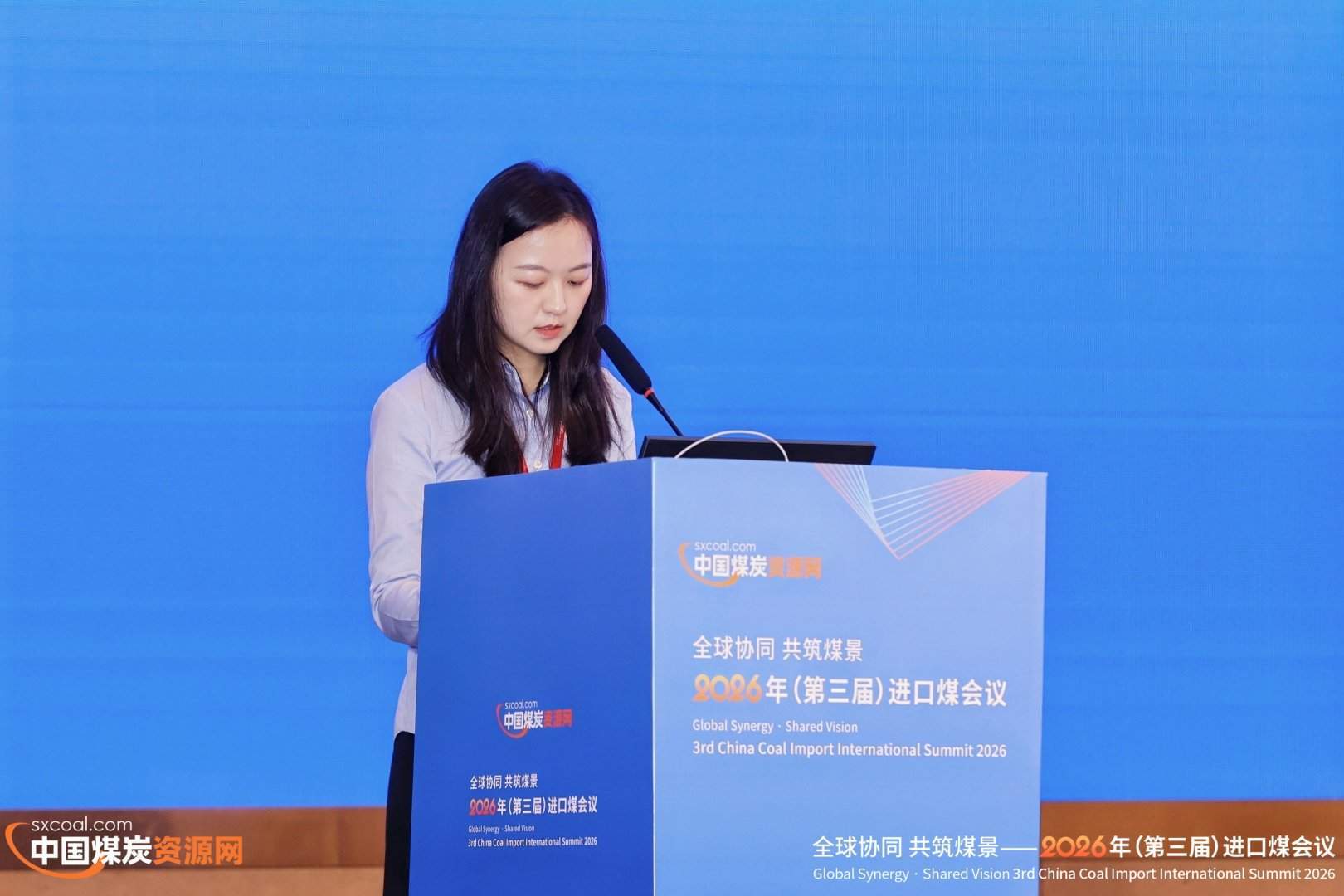
Munkhbat Davaatseren, GM of the Mongolian Stock Exchange, shared an overview of the legal and regulatory framework governing the trading of Mongolian mining products.
He pointed out that the Mongolian Stock Exchange's participation in auctions has ensured fairness and transparency, shorter delivery times for exchange-traded products and robust legal protection to participants' rights.
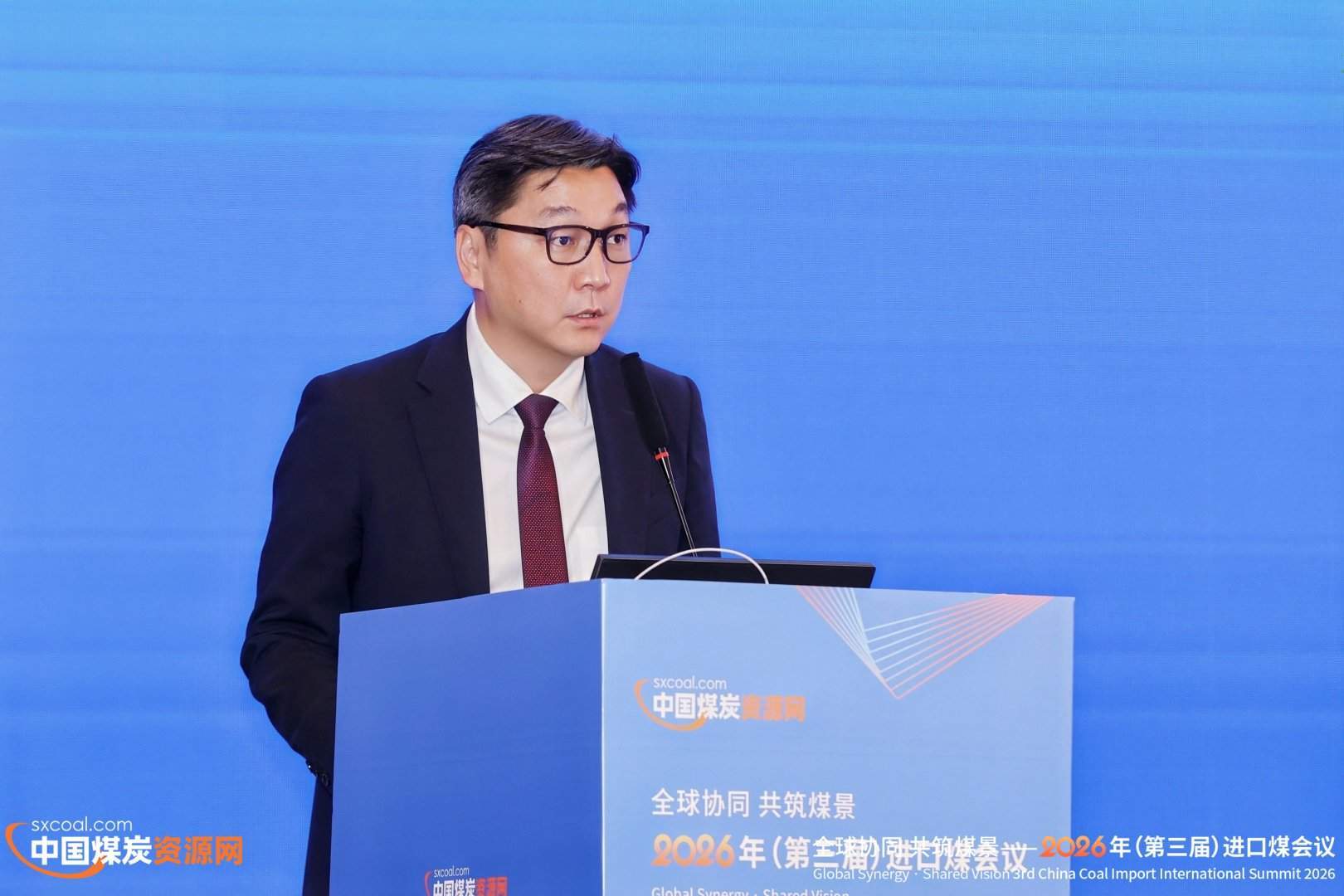
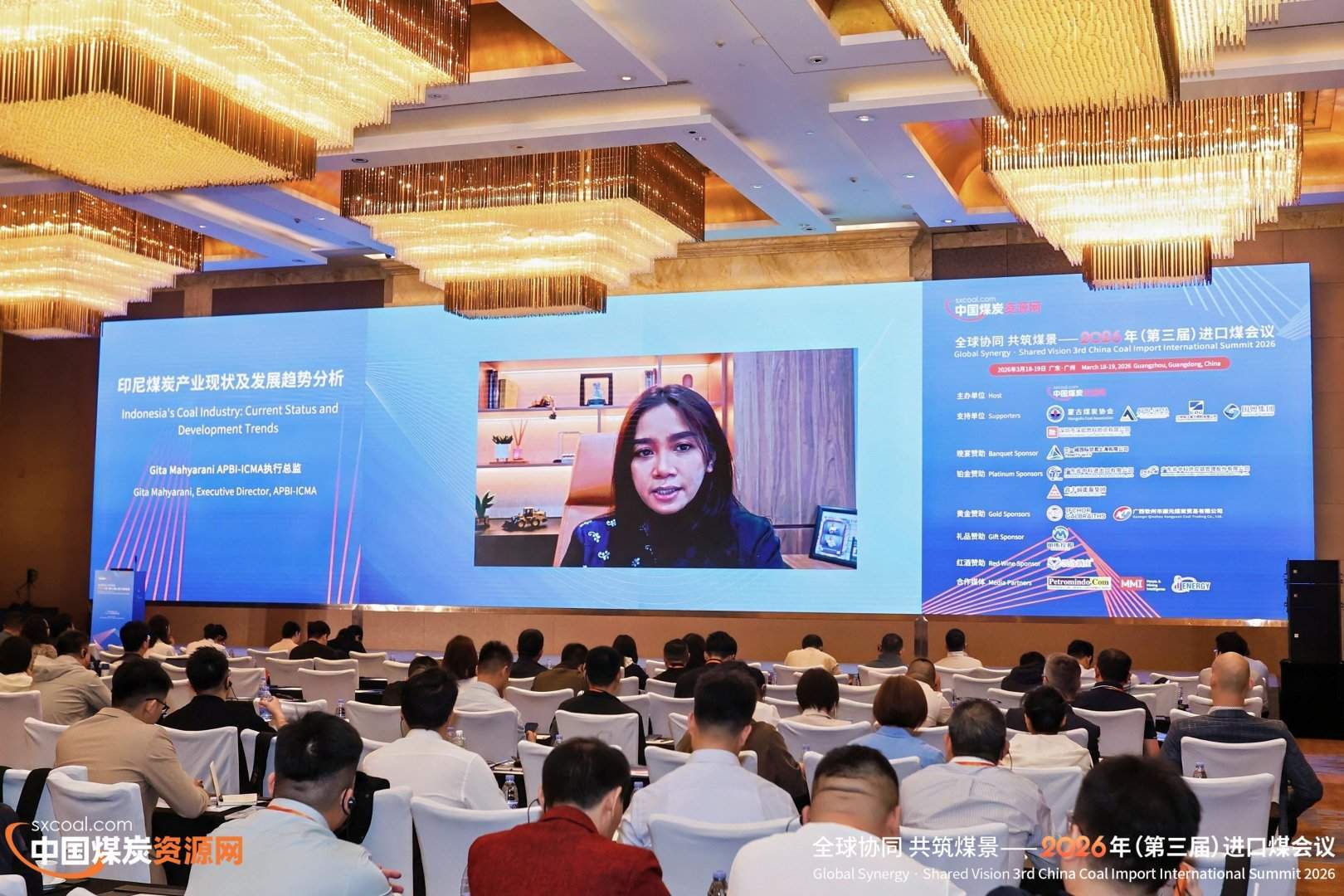
Gita Mahyarani, Executive Director of the APBI-ICMA Indonesian Coal Mining Association, analyzed the current status and development trends of Indonesia's coal industry via an online session.
"Coal remains a critical energy source in Aisa, with robust demand particularly in the power and industrial sectors," she said. Although global coal demand is expected to decline after 2030, Asia—especially emerging economies—will continue to rely heavily on coal.
Daniil Bychkov, head of the Coal Strategy Department at Siberian Coal Energy Company (SUEK), noted that the Russian coal market is facing a supply surplus. However, the total volume has decreased due to a decline in the supply of export-grade high-CV coal.
At the same time, Russian coal mining is shifting eastward, as most new or expanded projects with significant export potential are moving closer to ports and key Asian markets, he added.
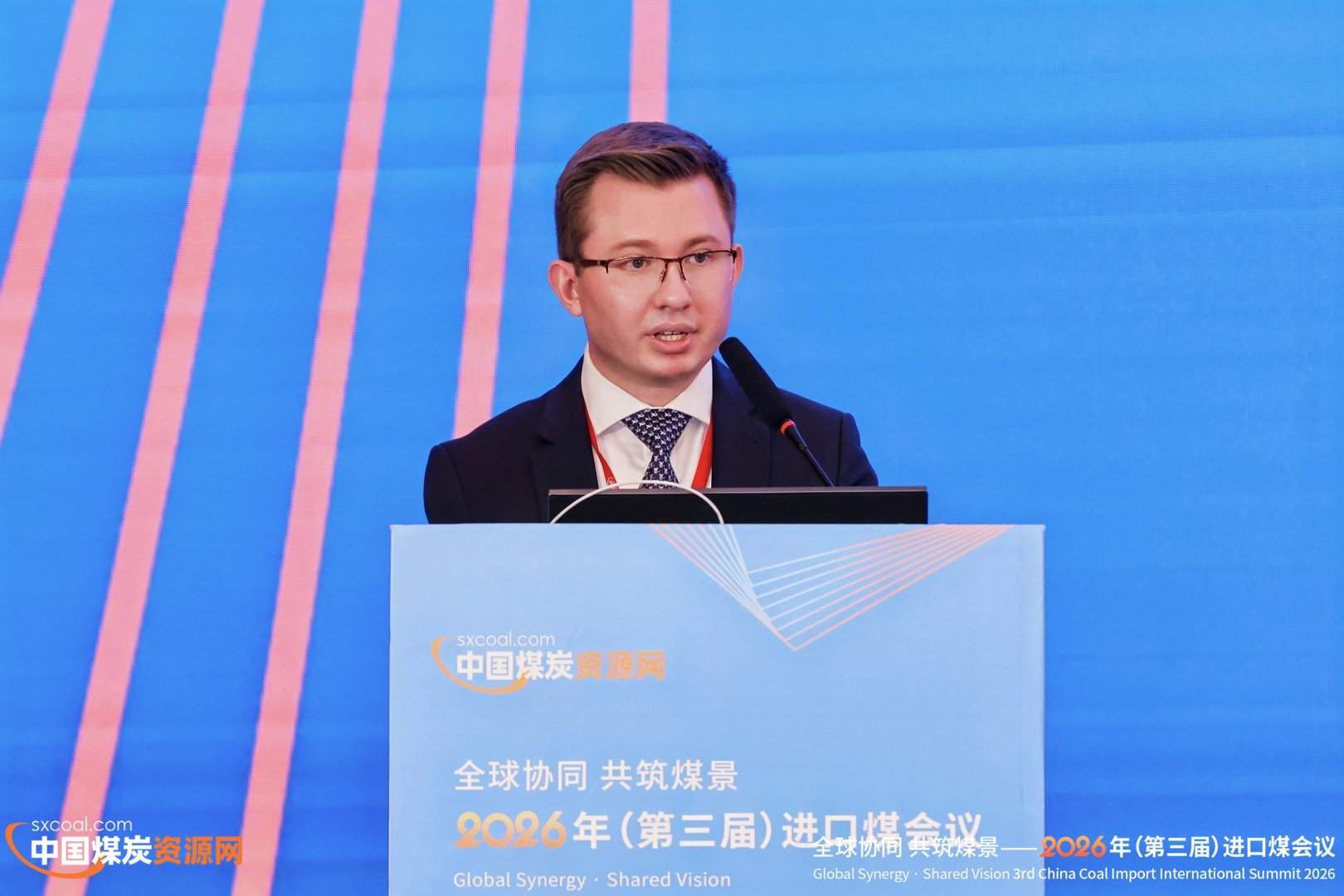
Melvin Chin, dry bulk research consultant at IFCHOR GALBRAITHS (SINGAPORE) PTE LTD, noted that coal is facing increasingly fierce competition from other fuels and renewable sources. According to his projections, the seaborne coal market will remain under pressure in 2026, with global coal exports contracting in the coming years.

Toby Hassall, head of Coal Market Research at the London Stock Exchange Group, pointed out that global coal trades declined in 2025 due to weakening demand and falling coal prices. However, prices for high-CV grades rose in the first quarter this year, driven by disruptions in LNG supply and the substitution of coal-to-gas techniques.
Seaborne metallurgical coal prices were boosted in the first quarter by tightening supply from Australia, while marginal production costs will continue to provide support for hard coking coal prices, he said.
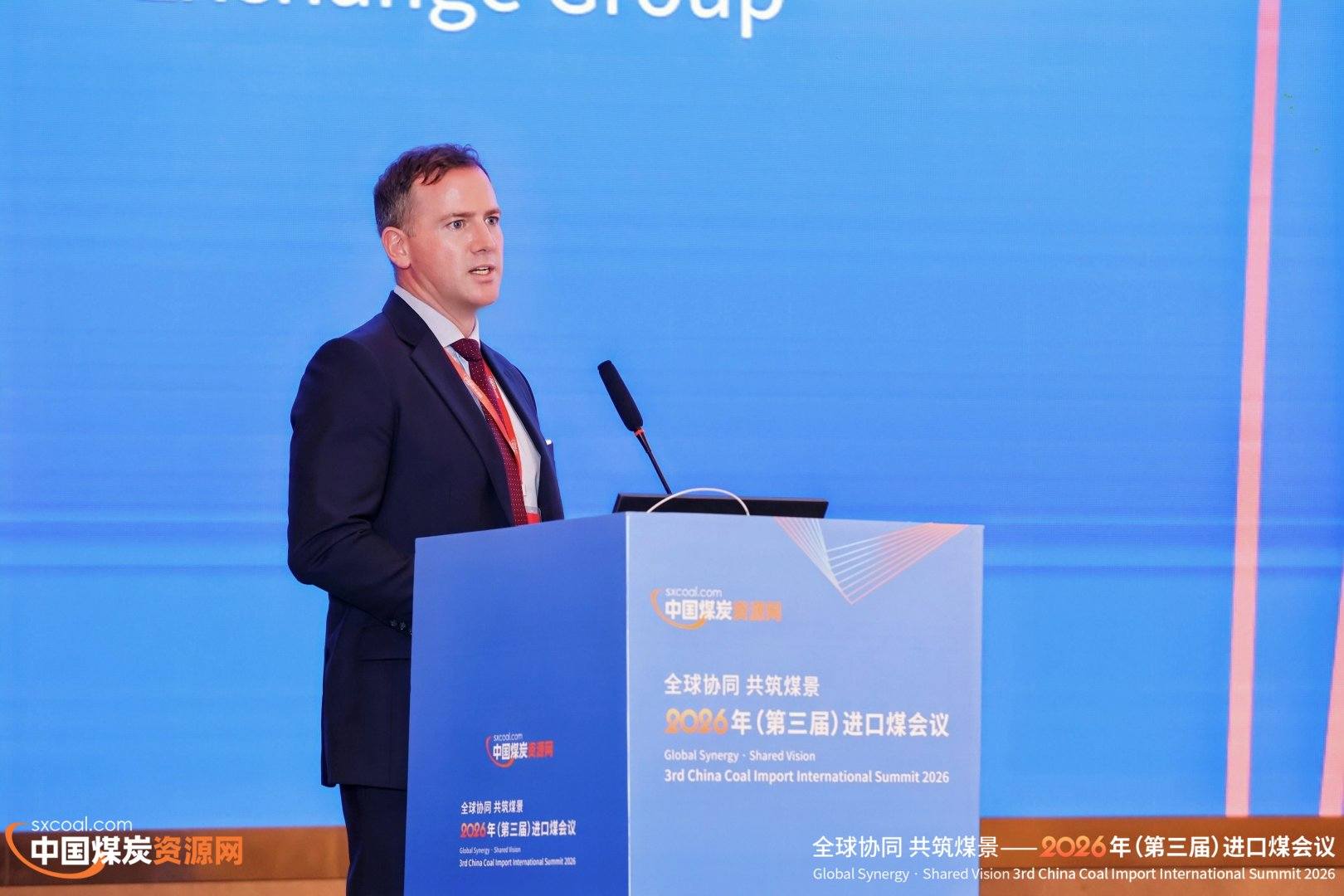
Wang Jilei, deputy GM of Yankuang International Trading Co., Ltd., noted that Australia coal market is facing a structural shift, characterized by still large scale, slowing growth, and declining export revenue.
Global oil and gas prices, weather conditions in Australia, rail transport capacity, as well as freight rates and exchange rates, will collectively affect China's imports of Australian coal, Wang said.
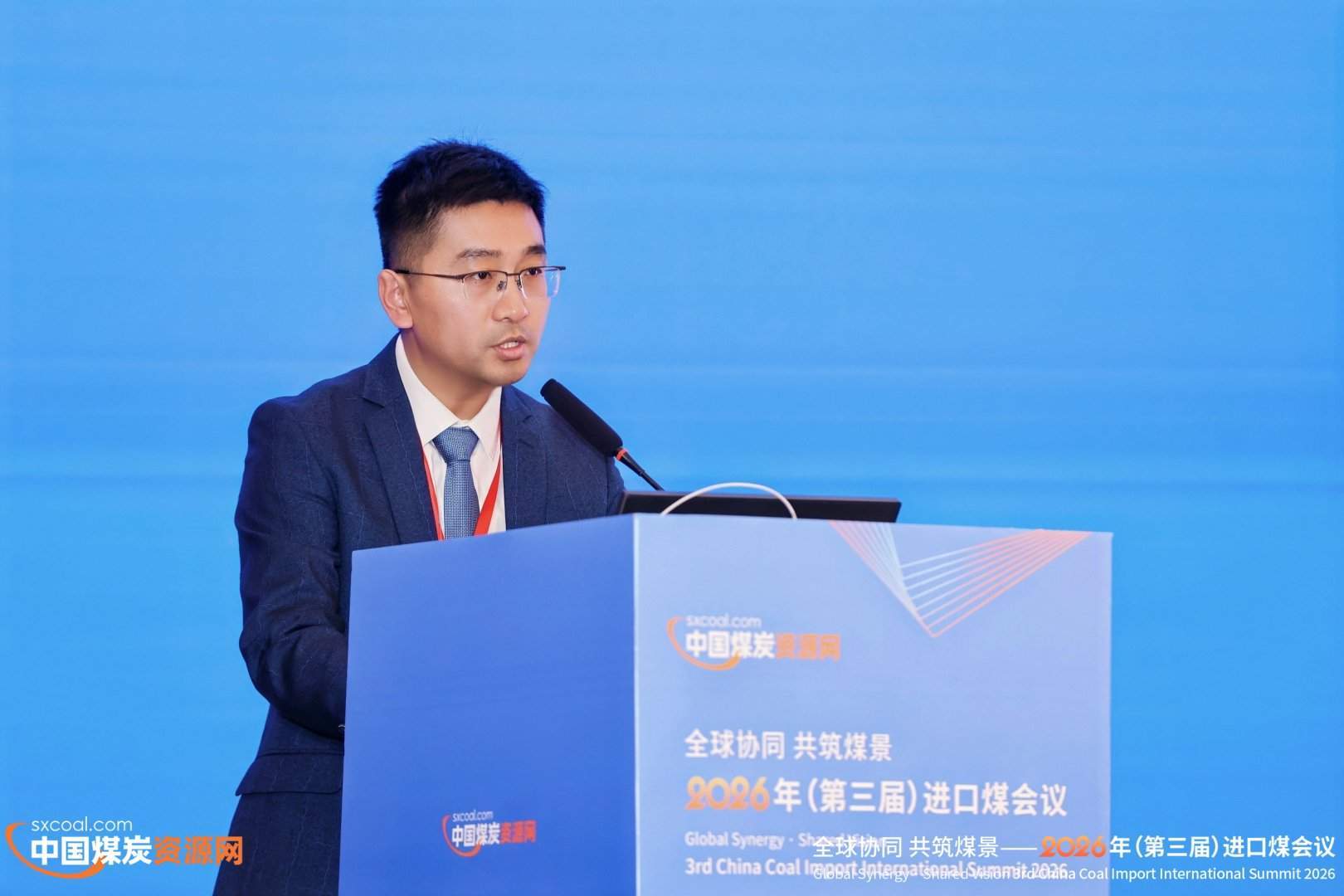
Sergey Nedelin, head of Raw Materials Markets at the Metal and Mining Information Consulting Company, noted that Russia's coal exports to Japan and South Korea have gradually decreased since 2021, while increased exports to China, India, and Turkey have filled the gap.
Due to unfavorable market conditions, coal demand in the industrial sector is weakening, though it may recover after 2027. Meanwhile, falling global coking coal prices, logistics bottlenecks, and rising production costs are weighing on Russi's coking coal exports, he added.
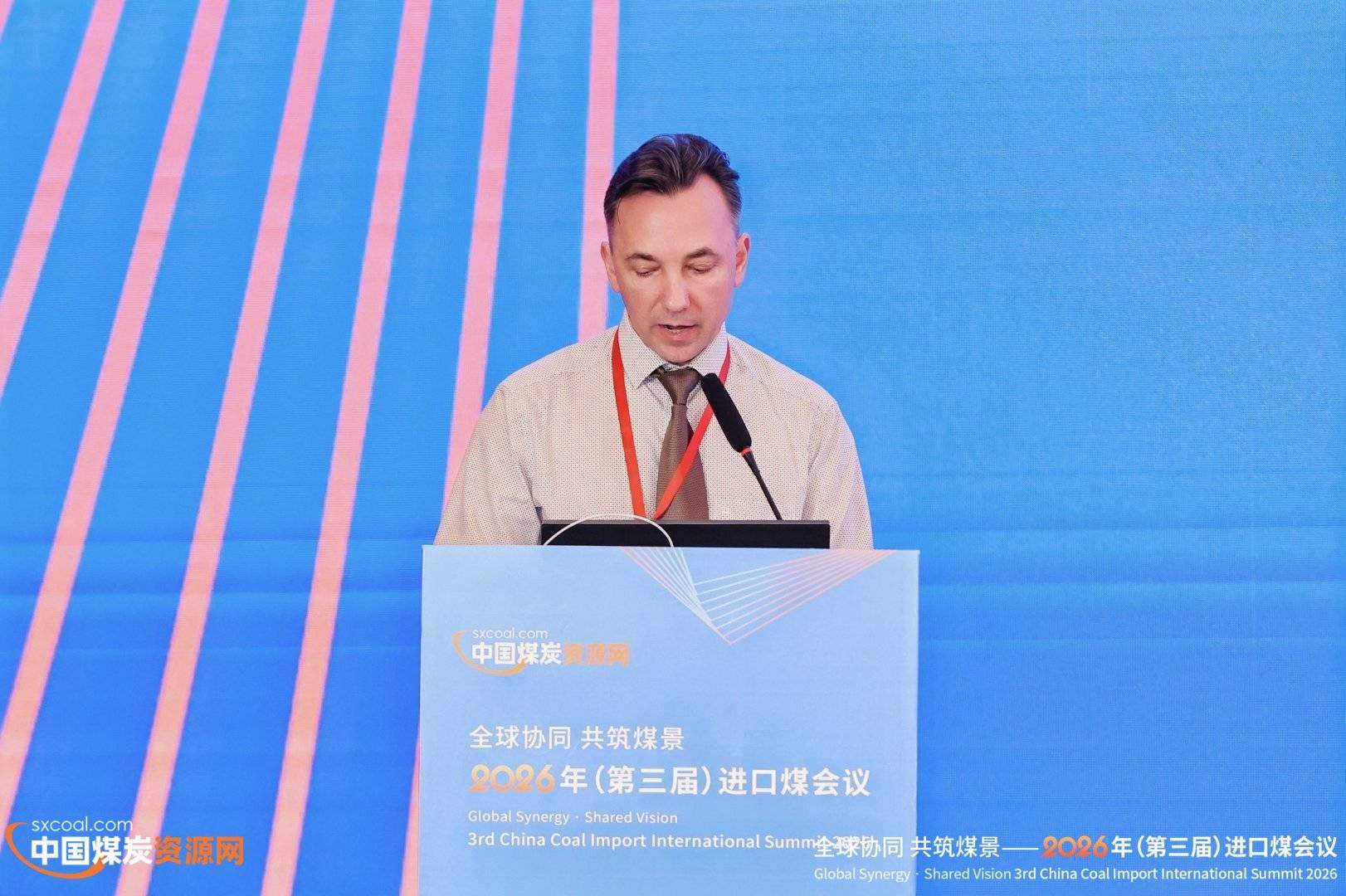
Captain Ravi Shukla, general manager of Bulk Marine, presented an analysis regarding India's coal market on behalf of iEnergy Natural Resources. He said while the country relies heavily on imported coal, the market remained sluggish in early 2026, with persistent downside risks. Yet, India's coal demand may rebound in the second half of the year, with imports projected to remain largely stable compared to the year-ago level.
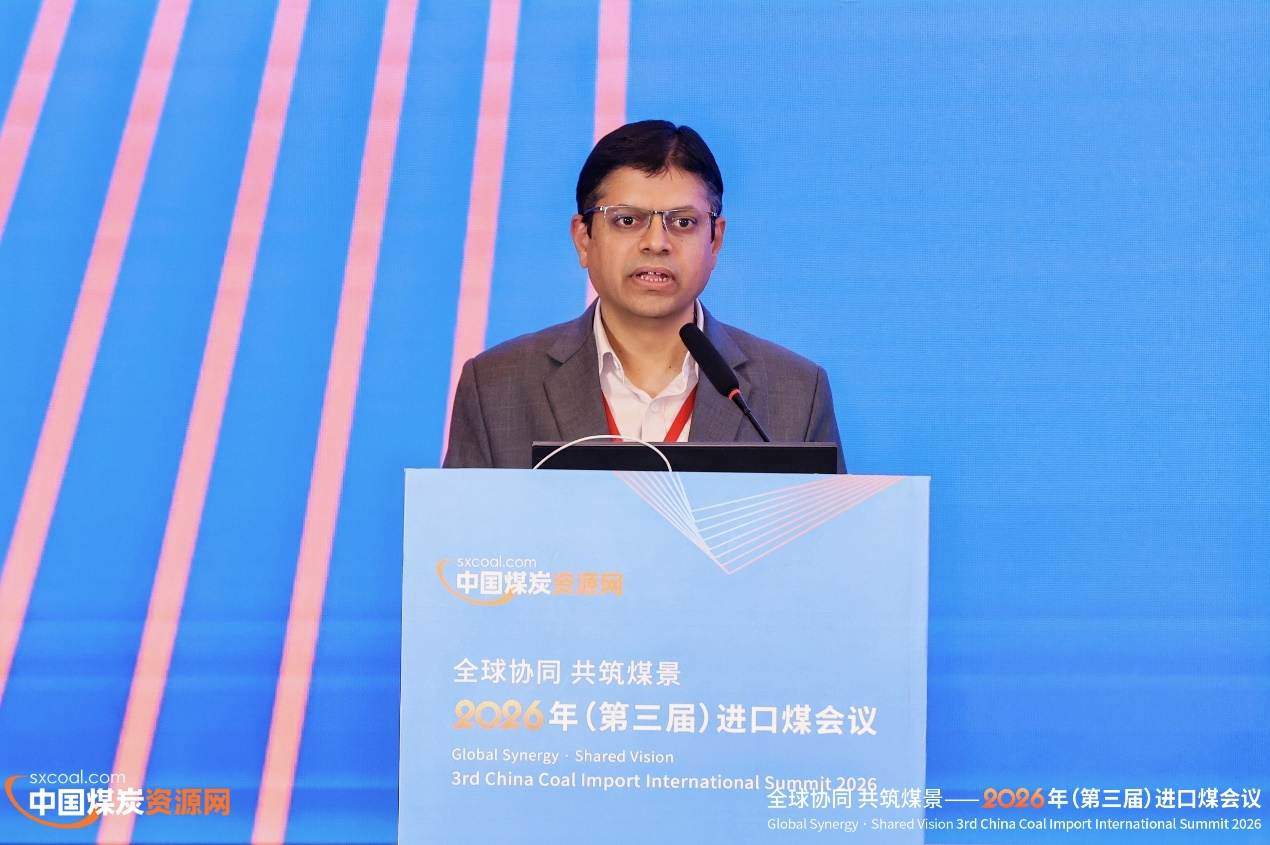
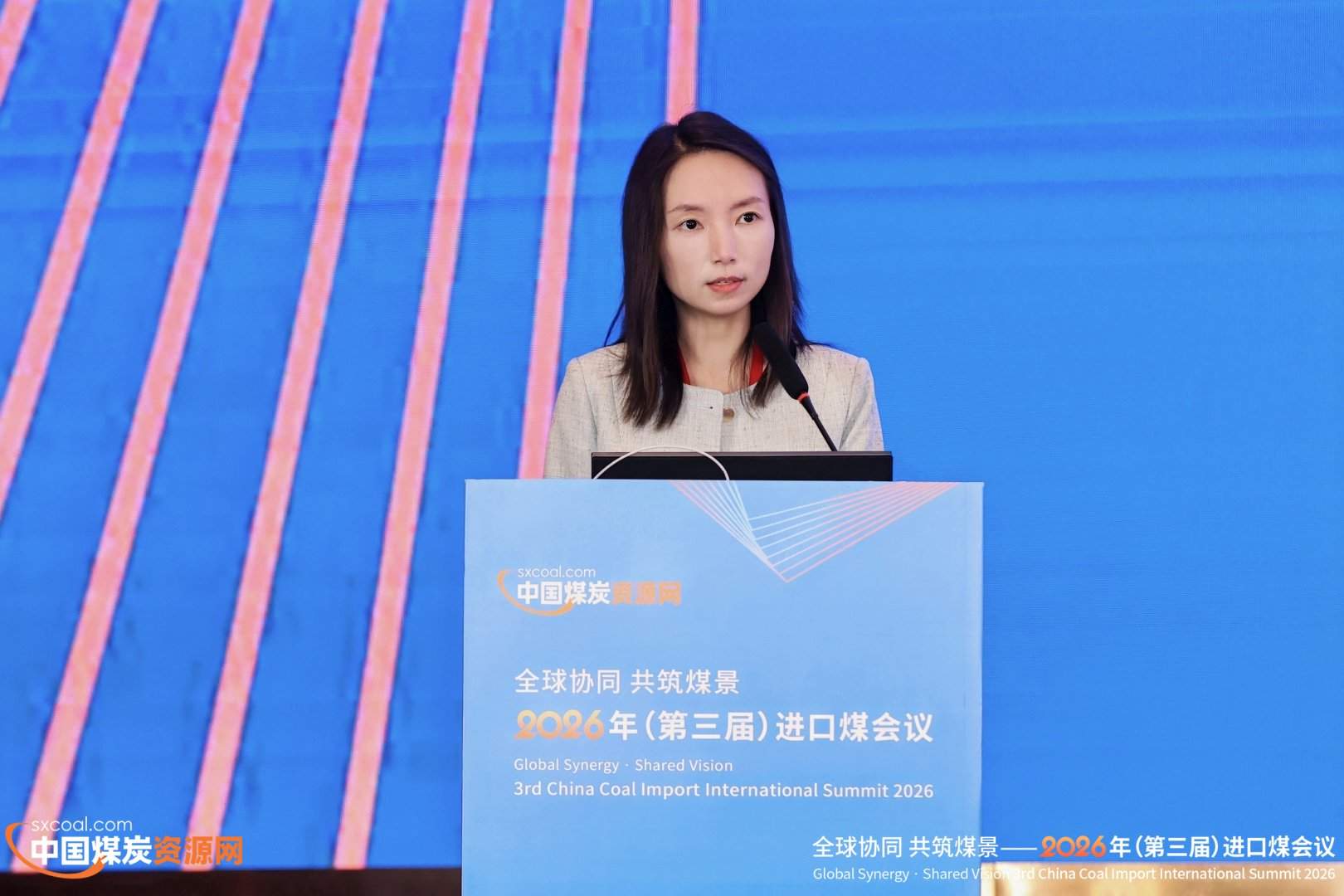
Zhong Hou, senior researcher at McCloskey, voiced importance of risk hedging instruments in maritime trade. She noted that the global coal trades are approaching an all-time high, with the Asia-Pacific region firmly maintaining dominance with stable trade flows. However, coal prices are volatile, affected by supply-demand dynamics, geopolitical landscapes and policies.
Therefore, she called for traders to establish comprehensive risk management systems and hedging measures to mitigate risks on business stability and profitability.
Supported by leading industry associations and enterprises from China and abroad, the event successfully promoted mutual understanding and joint progress towards sustainable growth of the global coal industry, providing robust support to the strategic planning and decision-making for coal importers and exporters.
Sumber:
Artikel Lainnya
Liputan 6
Tayang pada
1,76 Juta Metrik Ton Batu Bara Disebar ke 4 PLTU Jaga Listrik di Jawa Tak Padam
Bisnis Indonesia
Tayang pada
10 dari 190 Izin Tambang yang Dibekukan Sudah Bayar Jaminan Reklamasi
Bisnis Indonesia
Tayang pada
10 Emiten Batu Bara dengan Laba Paling Jumbo Semester I/2026, AADI & BYAN Teratas
IDX Channel.com
Tayang pada
10 Emiten Batu Bara Paling Cuan di 2024, Siapa Saja?
METRO
Tayang pada